
The Real Reason Your Space Feels Off
You’ve bought the furniture. Hung the art. Saved the inspiration images. Maybe even followed your mood board closely enough that, on paper, everything should work. And yet the room still doesn’t feel right. It might look fine at first glance. Guests may even compliment it. Nothing is obviously wrong, and that’s often what makes it so hard to pinpoint. But when you’re in the space, something feels slightly unresolved. It doesn’t feel complete, or effortless, and more importantly, it doesn’t feel like you.
If that sounds familiar, you’re not alone. It’s one of the most common frustrations that comes up in design consultations, especially in homes where every individual piece is beautiful, but the overall room still feels off. The encouraging part is that this usually isn’t a matter of taste or budget. It’s rarely about choosing the “wrong” sofa or needing to start over. More often, it comes down to how the pieces are working together within the space. In other words, it’s a layering issue. And that’s something you can absolutely fix.
Let’s get to the point
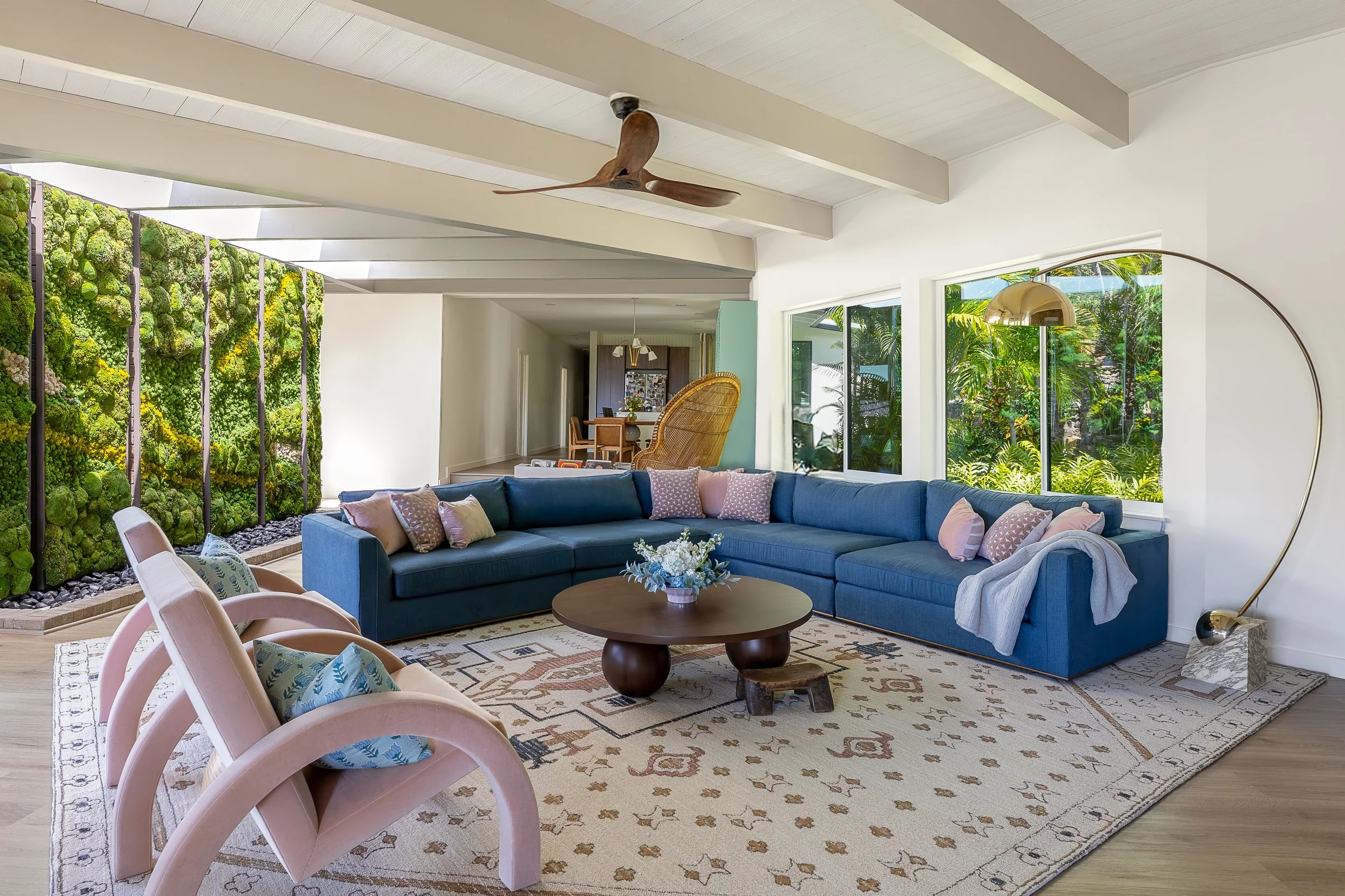
After years of designing homes throughout Hawaiʻi, I’ve noticed it’s rarely about the furniture itself—it’s about how everything relates to each other and to the architecture of the space.
One of the most common issues is scale. When proportions are slightly off, the room can feel unsettled even if each piece is beautiful. A sofa that’s too small, a rug that doesn’t properly anchor the furniture, or accessories that are undersized can all leave a space feeling fragmented or unfinished. Scale quietly drives how a room feels, and when it’s off, the entire space can feel disconnected.
Another key factor is the lack of a clear focal point. Without something to ground the eye, a room can feel visually scattered or directionless. Sometimes the architecture provides this naturally, but when it doesn’t, it needs to be created intentionally through elements like statement artwork, lighting, or a strong material moment that anchors the space.
Lighting is often underestimated as well. Relying solely on overhead lighting tends to flatten a room, no matter how well it’s furnished. The most successful spaces use layered lighting—ambient, task, and accent—to create depth, warmth, and flexibility throughout the day.
A lack of contrast is another subtle but common issue. When tones, textures, and materials are too similar, a room can feel flat or one-dimensional. Contrast doesn’t mean clutter; it’s the balance of light and dark, smooth and textured, structured and organic that gives a space depth and visual interest.
Finally, many rooms are designed to look good in a moment rather than function well over time. Especially in Hawaiʻi, where daily life flows between indoors and outdoors, spaces need to support real routines and changing conditions. The most successful interiors aren’t just visually composed—they’re adaptable, lived-in, and able to support everyday life without constantly needing to be reset.
What “feeling right” actually means
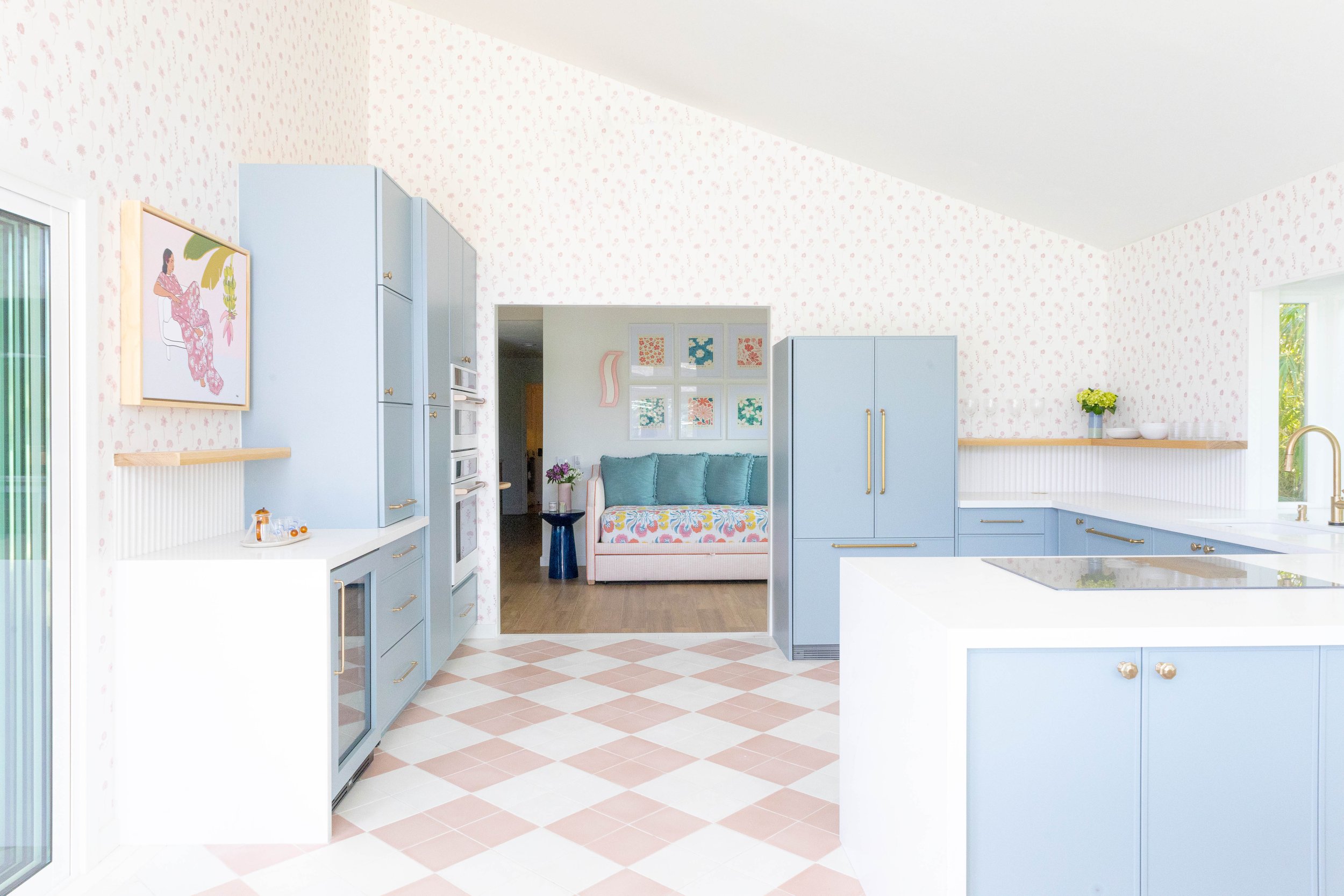
A room that feels right isn’t necessarily the most styled or the most technically correct. It’s something more subtle than that. It feels easy. Not because nothing was considered, but because nothing feels like it’s working against you.
When you walk into a space like that, your body tends to respond before your mind does. There’s a sense of ease in how you move through it. You know where you want to sit without thinking about it. The lighting feels natural for the moment. The layout supports your habits instead of interrupting them. Nothing feels overly staged, but nothing feels accidental either.
That balance is really what thoughtful design is trying to achieve. A room that quietly supports your life without asking for attention. Getting there often starts with a few simple but honest questions.
What is this room actually for?
How should it function throughout the day?
What feeling should it create when you enter it?
And just as importantly, what is helping that feeling, and what is getting in the way?
Most of the time, the answers are already present in the room. They just get harder to see when you’re too close to the details.

You don’t need months of planning to improve your space
There’s a common assumption that if a room doesn’t feel right, it requires a full redesign or a major investment to fix. In reality, many of the most impactful changes come from clarity, not scale.
Stepping back and looking at the room as a whole often reveals simple adjustments that have an outsized effect. Shifting furniture slightly to improve flow. Reconsidering scale. Introducing contrast. Editing what no longer belongs. Adjusting lighting so the room feels different as the day changes. These are not dramatic moves, but they can completely shift how a space is experienced. When the right changes are made, even small ones, the room starts to come into alignment very quickly.
How a virtual design consultation can help
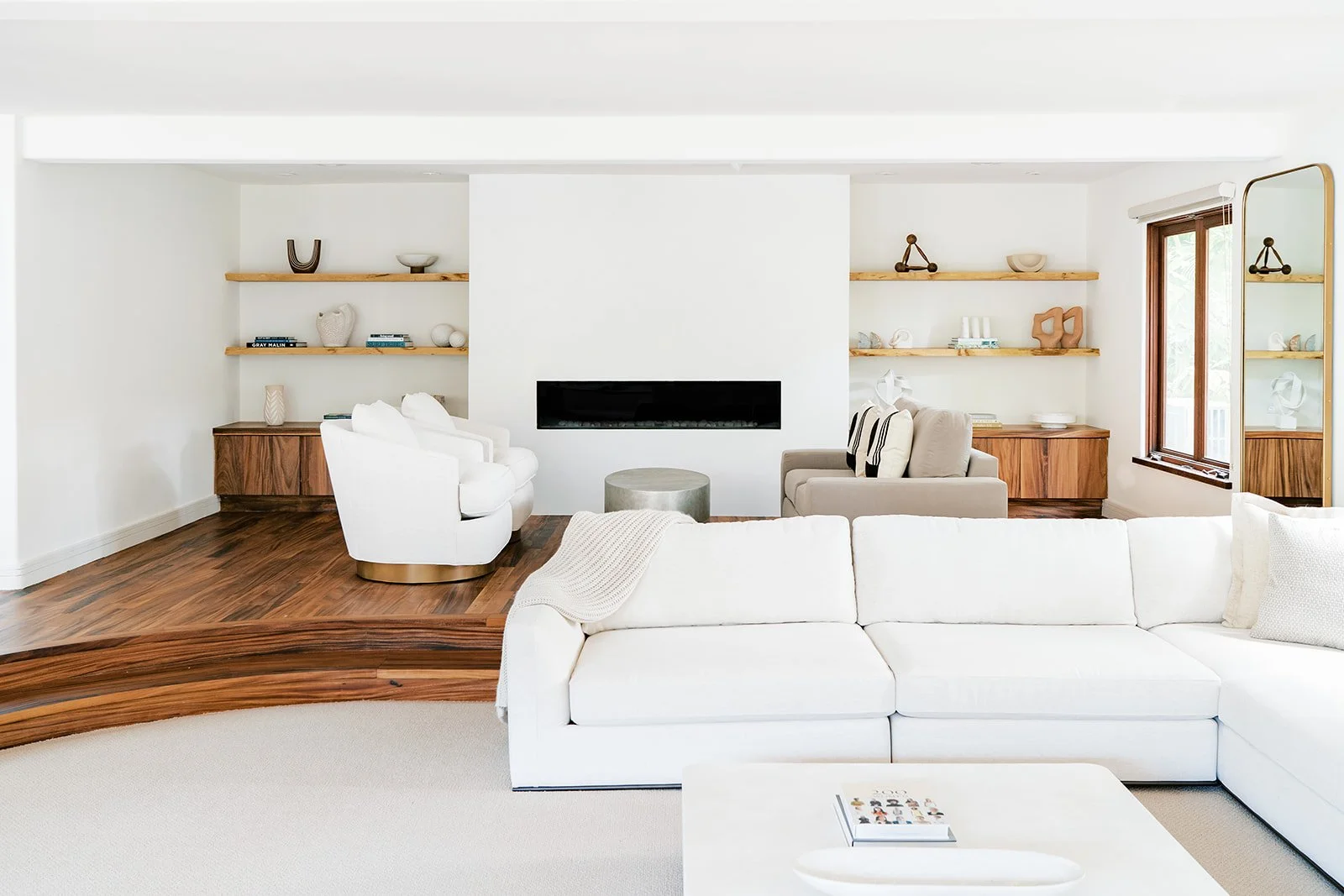
If you’ve been living with a space that doesn’t quite feel right, whether it’s a living room that lacks cohesion, a bedroom that doesn’t feel restful, or a kitchen that isn’t functioning as smoothly as it should, a virtual design consultation can help bring clarity to what’s going on.
In a focused one-hour session, we walk through your space together and identify what’s working, what isn’t, and where the biggest opportunities are. From there, we translate that into clear, practical steps you can take immediately to improve how the room looks and feels.
You don’t need to commit to a full redesign to get meaningful direction. You just need a clearer understanding of what the space is doing right now, and what small shifts will move it closer to how you want to live in it. Sometimes that clarity alone is enough to change everything.
Ready to Get Expert Design Guidance?
Whether you need help choosing finishes, reviewing plans, fixing a layout, sourcing furniture, or pulling your home together, a virtual consultation can help you move forward with clarity and confidence.

Studio Shaolin is an award-winning interior design studio based in Honolulu, Hawaiʻi. Founder Shaolin Low is a third-generation designer featured in Architectural Digest, The Wall Street Journal, House Beautiful, and Magnolia Network's Home in Hawaii.